Square Block 3d Pattern: A Versatile Geometric Resource for Modern Design
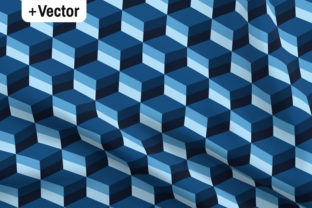
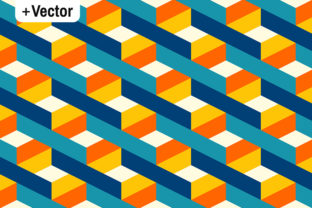
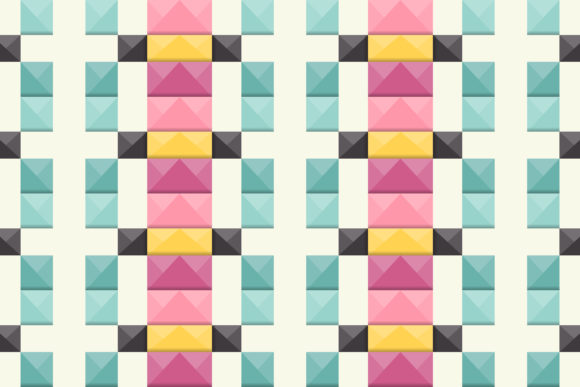
In the evolving landscape of digital and physical design, finding a visual element that balances modern aesthetics with structural clarity is essential. The Square Block 3d Pattern has emerged as a significant asset for professionals seeking to add depth and dimension to their projects without compromising on simplicity. This specific media type vector utilizes a unique arrangement of cubes and rectangular structures to create a seamless, repeating texture. By employing a vibrant color palette featuring orange, black, pink, and blue against a clean white background, it offers a striking contrast that appeals to contemporary audiences.
Understanding the nuances of this pattern requires looking beyond its visual appeal. It represents a convergence of abstract geometry and functional utility. Whether used as a backdrop for web interfaces, a decorative surface for fabric printing, or a conceptual illustration for architectural presentations, the Square Block 3d Pattern serves multiple purposes. Its distinct advantage lies in its ability to simulate volume and structure while maintaining the scalability inherent to vector graphics.
Defining the Characteristics of Square Block 3D Geometry
The core identity of the Square Block 3d Pattern is rooted in its geometric precision. Unlike organic textures or fluid gradients, this style relies on rigid shapes—specifically squares and rectangles—to construct a sense of three-dimensionality. The use of shading and perspective transforms flat two-dimensional lines into what appears to be stacked blocks or a tiled mosaic. This creates a textured surface that feels tangible even when viewed on a screen.
One of the most defining features is the specific color composition. The combination of bright orange, deep black, soft pink, and cool blue provides a dynamic energy. These colors are not merely decorative; they serve a functional role in enhancing the perception of light and shadow. The white background acts as a neutral canvas, ensuring that the colorful blocks remain the focal point without visual clutter. This isolation makes the pattern highly versatile, allowing designers to overlay it on various mediums or integrate it into complex compositions seamlessly.
From a technical standpoint, being a vector file is crucial. Vectors ensure that the image can be scaled to any size—from a small mobile icon to a massive billboard—without losing resolution or becoming pixelated. This quality is particularly important for industries like textile manufacturing and large-format printing, where sharp edges and clear lines are non-negotiable.
Evaluating Strengths and Practical Applications
When considering the Square Block 3d Pattern for a project, several strengths make it a compelling choice. First, its modern and trendy aesthetic aligns well with current design trends that favor bold, graphic elements. The "cube" and "block" motifs evoke a sense of stability and structure, making them ideal for corporate branding, technology presentations, or educational materials where clarity is paramount.
The pattern's versatility extends across various categories. In the realm of web design, it can serve as an engaging background that draws attention without overwhelming text content. The repetition allows it to tile perfectly, creating a continuous surface that works well for hero sections or footer areas. For interior decor, the same vector can be adapted for wallpaper designs, offering a geometric look that updates traditional spaces with a pop of color.
Fabric and textile applications also benefit from this pattern. The high contrast between the colored blocks and the white space ensures that prints remain vivid even after washing or stretching. The geometric nature of the design prevents it from looking dated quickly, providing a timeless appeal that fits both casual and formal attire.
Furthermore, the pattern's abstract nature allows for creative interpretation. Architects might use the block structures to visualize building facades, while graphic designers might deconstruct the shapes to create logos or icons. The "volume" created by the 3D effect adds a layer of sophistication that flat patterns often lack, giving designs a more professional and polished finish.
Comparing Square Block Patterns with Alternative Styles
To make an informed decision, it is helpful to compare the Square Block 3d Pattern with other common geometric resources. One primary alternative is the flat geometric pattern. While flat designs offer a minimalist and clean look, they often lack the depth and tactile feel provided by 3D rendering. If a project requires a subtle background that recedes into the periphery, a flat pattern might be preferable. However, if the goal is to create a focal point or simulate a physical structure, the Square Block 3d Pattern is superior due to its simulated lighting and shadows.
Another comparison involves organic or fluid abstract patterns. Organic shapes, characterized by curves and irregular forms, convey movement and natural flow. They are excellent for wellness brands or artistic portfolios. In contrast, the Square Block 3d Pattern communicates order, logic, and precision. It is better suited for themes related to construction, data, technology, or urban environments. Choosing between these styles depends entirely on the emotional response the designer wishes to evoke.
Additionally, consider the difference between raster-based 3D images and vector-based patterns. Raster images (like JPEGs or PNGs) can look realistic but suffer when resized, often becoming blurry. The Square Block 3d Pattern, as a vector, retains its crispness at any scale. This tradeoff favors the vector approach for any project requiring flexibility and high-quality output across different media types.
Decision Factors and Potential Limitations
While the Square Block 3d Pattern offers numerous advantages, it is not a universal solution. Designers must evaluate specific constraints before integrating it into their workflow. One potential limitation is the complexity of the color scheme. The presence of four distinct colors (orange, black, pink, and blue) creates a busy visual field. In contexts where minimalism is key, such as medical websites or luxury product packaging, this level of vibrancy might be distracting. In such cases, a monochromatic version or a simpler geometric pattern might be more appropriate.
Another factor to consider is the "trendiness" of the aesthetic. While currently popular, bold 3D geometric styles can sometimes feel fleeting. Designers working on long-term brand identities should assess whether this specific look will age well over time. If the goal is a timeless, understated elegance, a classic brick or simple grid pattern might be a safer investment than a highly stylized 3D block sequence.
There is also the consideration of integration. Because the pattern is isolated on a white background, it may require careful handling during compositing. Removing the white background effectively is necessary for certain applications, though the clean separation usually makes this process straightforward. Additionally, the repetitive nature of the seamless pattern means that users must plan the layout carefully to avoid awkward cuts or visible seams in the final composition.
Best-Fit Scenarios for Implementation
The Square Block 3d Pattern shines brightest in scenarios that demand a blend of creativity and structure. It is an excellent choice for educational materials where concepts need to be broken down into manageable, block-like units. The visual metaphor of stacking blocks resonates well with learning and development themes.
In the field of graphic resources, this pattern serves as a robust foundation for UI/UX design. Buttons, cards, and navigation bars can utilize the pattern to create a cohesive visual language that feels interactive and modern. The use of bright colors like orange and pink can guide user attention effectively, acting as visual cues within a digital interface.
For marketing and advertising, the pattern's high contrast and geometric appeal make it stand out in crowded marketplaces. It captures the eye immediately, which is crucial for banner ads or social media graphics. The abstract concept allows it to represent innovation and forward-thinking, making it suitable for tech startups and creative agencies.
Making the Final Choice
Selecting the right visual resource ultimately comes down to the specific needs of the project. The Square Block 3d Pattern offers a unique combination of 3D depth, vibrant color, and geometric precision that few other assets can match. Its vector format ensures adaptability, while its seamless nature facilitates easy application across diverse media.
However, success depends on thoughtful application. Designers should weigh the visual impact against the context of the message. If the project benefits from a structured, energetic, and modern look, this pattern is likely the ideal candidate. Conversely, if the goal is subtlety or organic flow, other options may serve better. By understanding these distinctions, professionals can leverage the Square Block 3d Pattern to enhance their work with confidence and precision.
Ultimately, the value of this graphic resource lies in its ability to bridge the gap between abstract art and practical design. Whether applied to a digital screen, a printed textile, or a physical wall, the Square Block 3d Pattern brings a sense of organized creativity that elevates the overall quality of the design. As with any tool, its effectiveness is determined by how skillfully it is wielded, making it a valuable addition to any designer's toolkit.