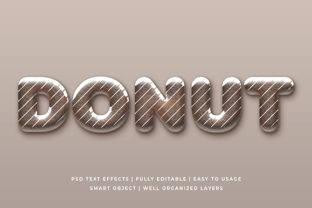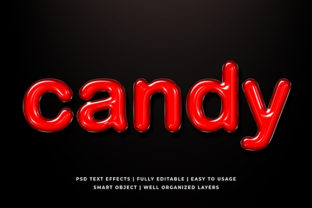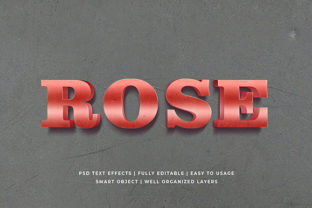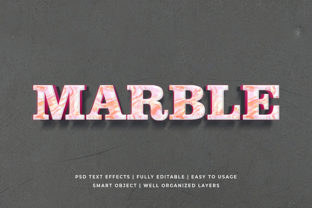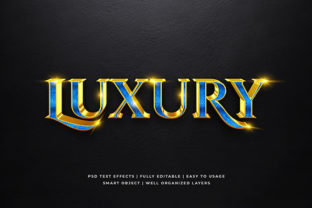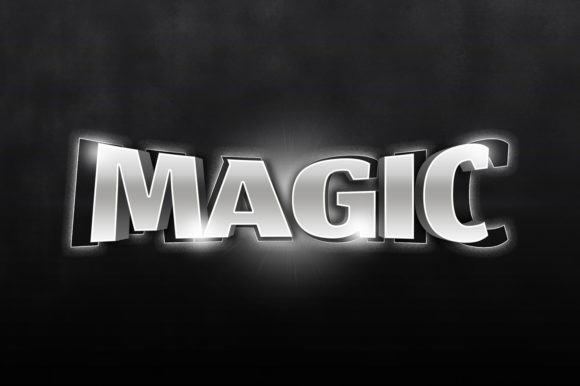
Magic Text Effect in 3D Style: Elevating Digital Design with Depth and Precision
In a digital landscape where visual attention is the most scarce resource, static typography often fails to capture the imagination. The Magic Text Effect in 3D Style represents a significant leap forward for creators who need their messages to not just be read, but felt. This design technique transforms flat words into tangible objects that appear to float, cast shadows, and interact with light, creating an immediate sense of immersion. For professionals, entrepreneurs, and hobbyists alike, mastering this aesthetic is no longer just about artistic flair; it is a strategic necessity for cutting through the noise of modern social media feeds, websites, and marketing materials.
The relevance of three-dimensional typography has surged as user expectations evolve. We live in an era defined by high-resolution displays and interactive interfaces where depth is expected. A two-dimensional logo or headline can feel outdated quickly, whereas a Magic Text Effect in 3D Style adds a layer of sophistication that suggests quality and effort. Whether you are launching a new product, branding a personal portfolio, or designing educational content, the ability to render text that looks like a physical object builds trust and engagement instantly.
The Evolution of Typography in Modern Workflows
Typography has always been the backbone of communication, but its role has shifted dramatically over the last decade. Historically, adding depth to text required complex rendering software, hours of manual layering, and advanced technical skills. Today, the workflow has democratized. The demand for speed and efficiency in creative industries means that tools must be both powerful and accessible. This is where the concept of an Editable Magic Text Effect in 3D style Photoshop requirement becomes transformative.
Modern creatives do not have time to rebuild effects from scratch for every project. They require templates that offer the complexity of custom 3D work without the steep learning curve. The evolution here is towards "smart" design assets. Instead of manually adjusting hundreds of individual layers to change a font or color, designers now look for solutions where the heavy lifting is done via Smart Objects. This shift aligns with broader market preferences for agility. Businesses need to iterate quickly on campaigns, and educators need to update materials rapidly. A design file that adapts to these changing needs is far more valuable than one that requires a complete overhaul for minor adjustments.
Demystifying the Editable 3D Experience
At the heart of this design revolution is the ease of customization. The term Editable Magic Text Effect in 3D Style implies a level of flexibility that traditional graphics simply cannot match. When you acquire a high-quality PSD file designed with this standard in mind, you are essentially getting a pre-built engine for your creativity. The core mechanism relies on Smart Objects within Adobe Photoshop. This feature allows users to double-click a specific layer to open a separate document window, make their changes, save the file, and watch the main composition update automatically.
This process eliminates the fear of breaking the design. Many beginners avoid 3D text because they worry they will ruin the lighting, shadows, or texture if they try to edit the font incorrectly. With an organized Smart Object structure, the magic happens behind the scenes. You insert your own words, swap the font family, and adjust the kerning, while the software preserves the intricate 3D extrusion, bevels, and environmental reflections exactly as the artist intended. It bridges the gap between professional-grade results and amateur accessibility.
Technical Specifications That Matter
For the effect to truly shine, the underlying file must meet rigorous standards. A Magic Text Effect in 3D Style template that lacks proper resolution will look pixelated when printed or displayed on large screens. This is why specifications like 3100 x 2100 pixels at 300 dpi are non-negotiable for serious projects. These dimensions ensure that the text retains crisp edges whether it is used on a billboard, a high-definition website banner, or a printed brochure. The 300 dpi standard guarantees print readiness, allowing business owners to move seamlessly from digital ads to physical merchandise without worrying about quality loss.
Beyond resolution, the organization of the file is critical. A chaotic layer stack can turn a simple edit into a nightmare. Professional templates feature logically named groups, such as "Main Text," "Shadow Layer," "Reflection," and "Background." This organization ensures that even those with intermediate Photoshop skills can navigate the file efficiently. It respects the user's time and cognitive load, allowing them to focus on the message rather than hunting for the right tool to fix a glitch.
Practical Implications for Creators and Businesses
The adoption of editable 3D text effects has tangible implications across various sectors. For marketers, the ability to quickly generate unique visuals for A/B testing is invaluable. Imagine needing five variations of a holiday sale banner, each with different dates and offers. With a Free font use Zip file include Psd, Jpg and font link package, a marketer can duplicate the base file, swap the text, and export the final JPGs in minutes. This speed translates directly to revenue opportunities and campaign responsiveness.
Freelancers and agency owners benefit similarly. Clients often request last-minute changes to designs. If a freelancer receives a file where the text is rasterized (flattened), they must recreate the entire 3D effect. However, with an Easy to edit double click on Smart object workflow, they can deliver the final product faster and handle revisions with confidence. This reliability enhances their reputation and allows them to take on more clients without increasing their workload proportionally.
Educators and bloggers also find value in this technology. Visual learners retain information better when presented with engaging graphics. By incorporating dynamic 3D headers into blog posts or course materials, content creators can increase dwell time and improve the overall perception of their brand. The availability of Organized layer structures means that even those who are not graphic design experts can produce professional-looking assets that elevate their content above generic stock imagery.
Accessibility and Resource Management
A common barrier to entry for high-quality design resources is cost and licensing complexity. Many premium 3D fonts come with expensive licenses that restrict commercial use or limit the number of projects. The trend toward Free font use packages removes this friction. When a download includes a Zip file containing the PSD, JPG previews, and direct links to the necessary fonts, it empowers users to start immediately without legal ambiguity.
This approach fosters creativity. Users are encouraged to experiment with different styles, knowing that they have the freedom to use the assets in personal and commercial projects alike. The inclusion of the actual font files or reliable links ensures that the design remains editable indefinitely. Without these resources, a template is merely a static image, losing its primary advantage: adaptability. By bundling these elements, providers acknowledge the practical needs of the modern creator who values transparency and ease of access.
Looking Forward: Integrating Depth into Daily Design
As we move further into a visually saturated future, the distinction between good and great design will increasingly rely on how well content engages the senses. The Magic Text Effect in 3D Style is not a passing fad; it is a maturation of digital typography. As hardware becomes more powerful and software more intuitive, the expectation for depth will only grow. From augmented reality experiences to immersive web design, 3D text will become a foundational element of user interface design.
However, the key to success lies in balance. While the visual impact is undeniable, the best applications of this effect prioritize clarity and readability. The goal is to enhance the message, not obscure it. By utilizing tools that offer Editable Magic Text Effect in 3D style Photoshop requirement features, creators can maintain this balance. They can tweak the perspective, lighting, and color to suit the brand identity while ensuring the text remains legible and impactful.
In conclusion, the integration of 3D text effects into daily workflows represents a smart investment of time and resources. It caters to the demands of a fast-paced world where visual quality signals professionalism. Whether you are a seasoned designer looking to streamline your process or a business owner aiming to revitalize your brand's image, leveraging a high-quality, fully editable 3D text template provides the competitive edge needed to stand out. With the right specifications, organized layers, and accessible fonts, the potential to create stunning, memorable visuals is within reach for everyone willing to explore the depth of modern design.